Category: Words to ponder

Words to ponder

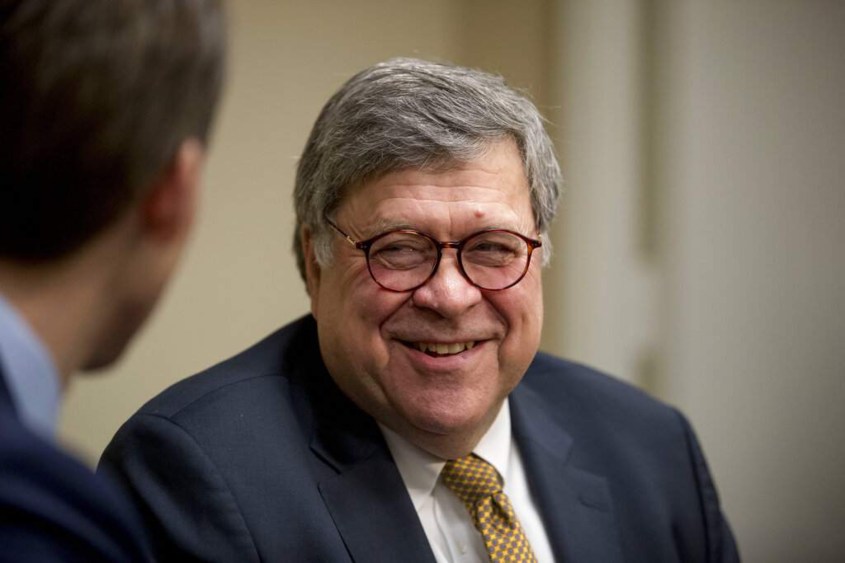
What is the Attorney General’s job?

Is the Attorney General of the United States supposed to uphold our laws through the use of facts, or is he supposed to protect his boss the president? The President is the head of the executive branch or our government, and the Department of Justice is a part of the executive branch. Traditionally Attorneys General have been the lawyer for the citizens and constitution of the United States. Under Donald Trump there has been a clear push to change the office into a subordinate tool of the President to do whatever he or she feels needs to legally be done. The result is that the law would mean whatever the President says it means. This would put the president above the law, and make our republic more of a dictatorship. Is this what we want?

Words to Ponder

“The only disability in life is a bad attitude.” – Scott Hamilton

This quote provokes a lot of thought. Everyone finds things to feel bad about, and constantly feeling bad can be considered disabling. Questions: Is our attitude totally a choice? How do we teach attitude? What factors determine attitude? When is our attitude aptitude most in development? What can we all do to help create more positive attitudes?

Words to ponder

Even a happy life cannot be without a measure of darkness, and the word happy would lose its meaning if it were not balanced by sadness. It is far better take things as they come along with patience and equanimity. – Carl Jung

This quote raises many interesting questions. Do we have to know pain to appreciate happiness? How do we learn to have patience and balance in the face of threatening events? What causes some people to be very emotional and others more reserved; are these inherited traits? Do we have to balance happiness with sadness; can’t we just move from the ground floor to the upper floors without a journey to the basement?

Words to ponder

When you blame others, you give up your power to change. – Robert Anthony

This quote has profound questions implied in it. Does power only come from ownership, or is it the recognition of our power in situations that leads us to understand our impact? Does our view of power lead to different behavior? Do we blame others for success? Does blame represent fear? Is blame always inaccurate? Does blame always have to be negative, and if not how do we flip it into a building block?

Words to ponder from Marcus Aurelius

“The things you think about determine the quality of your mind. Your soul takes on the color of your thoughts.” – Marcus Aurelius

Some questions to consider: Do we need to force ourselves to think deeply about topics that do not initially interest us? Should we be fearful of our thoughts, or do we balance our thinking by gathering more information and countering ideas? Which comes first our souls or the ideas we focus on? How do we train ourselves and those we care about to think both deeply and broadly? Is it our duty to be caring about everyone to some extent?

Is the President worth it?

Is it worth it to the country to impeach a president when he is clearly guilty of felony behavior on issues from national security, to emoluments, to tax evasion? Do we say no this time and then pursue the next guy? Do American leaders tell us that major criminal behavior does not matter if you gain the highest office? What do we say to all of those facing legal jeopardy or risking their lives to enforcing our laws when it is obvious that the law does not apply to all? When does the specter of moral and legal system decay become too much for citizens and leadership to ignore?

Words to ponder

“Discipline = Freedom” – Jocko Willink

The idea that discipline equals freedom has been stated in different ways I think. The phrase “There are no rights without responsibility ” comes to mind, but “discipline equals freedom” is a stronger statement that casts a wider net. Everyone I know loves to eat, but most of us know that if you don’t balance meals with activity there will be problems. The same balance (or discipline) applies to everything we enjoy….too much of it is a bad thing. The quote applies to what we want, what we look like, how we interact with others, and where we want to go in life – without discipline we cannot make things happen for ourselves. Implied in the quote is that we own our experience of life. The quote is profound.

What does the term liar mean?

When is a liar made? Is a person forever a liar after misspeaking once? Does lying or misstating to the same person, or group twice make you a liar? If you lie to a group of people thousands of times make you a liar? I guess it is in the eye of the beholder. I think we all recognize what we would call a liar when we see the behavior. I believe when you disbelieve or doubt a person due to prior experience then you are dealing with a liar. But can’t a liar tell the truth,or be on the side of truth based on experience also?

The importance of expressing love

We live in a world where people seem very comfortable with hatred and intolerance for others. It seems like the poisonous logic of bigotry is on the rise around the planet sometimes. It is more important than ever for all of us to balance ourselves with expressions of love, selflessness, and courtesy. The truth is that our species owes it’s success to people working together. All of our major religions ask that we show love and respect for others. This Valentines Day lets use our love, empathy, and resources to move our society towards more balance and beauty.